Air cargo has a capacity problem. Demand keeps climbing, freighters on busy lanes are flying over 90% full, and the world's aircraft manufacturers are sitting on a backlog of roughly 17,000 planes — more than a decade of production at current rates. Waiting for new freighters to roll off the line simply isn't a strategy anymore.
So the industry found a workaround: don't build freighters. Convert them.
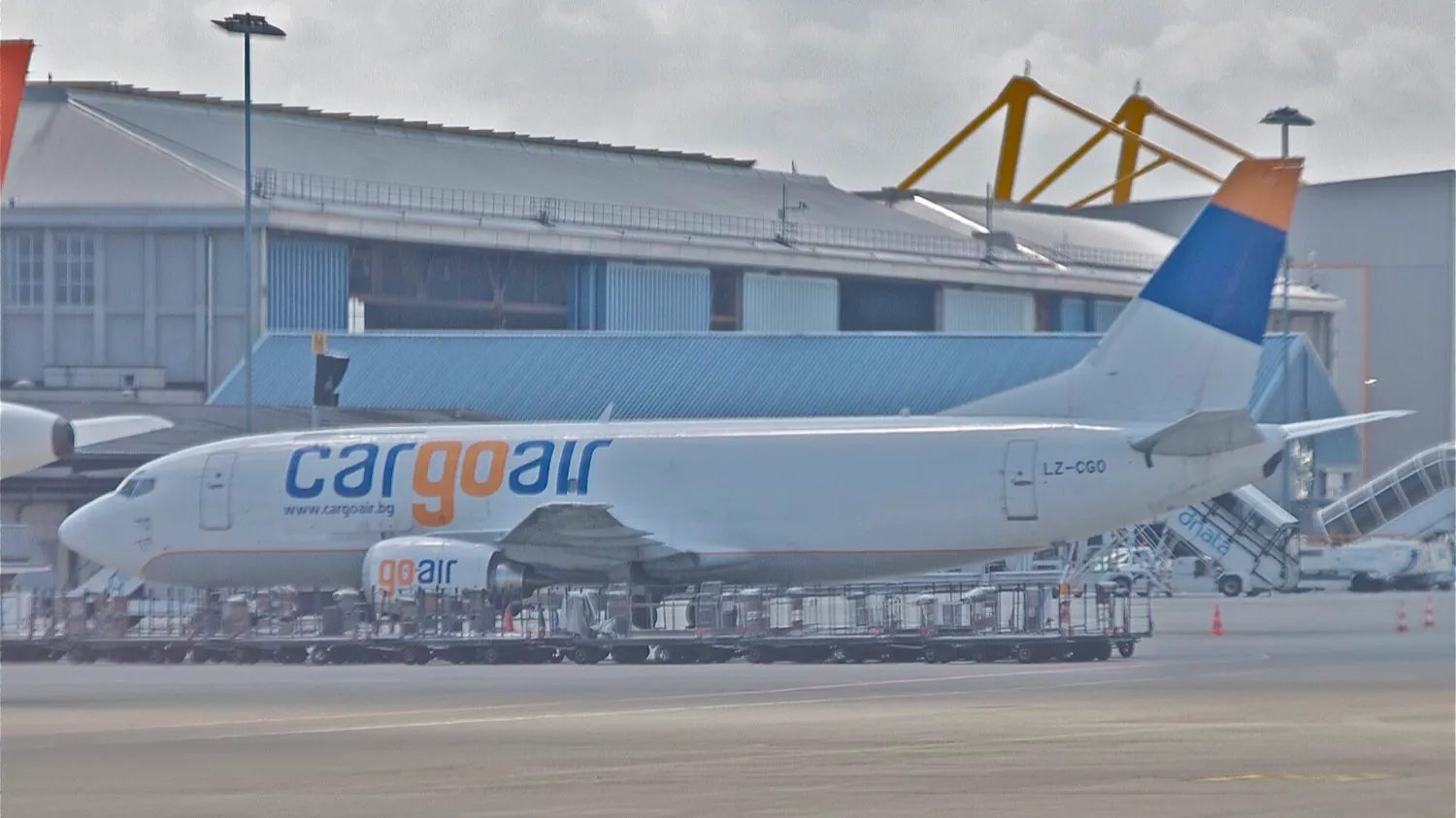
Passenger-to-freighter conversion — P2F in industry shorthand — takes a retired passenger aircraft, strips out the seats, galleys and windows, reinforces the floor, cuts a large cargo door into the fuselage, and sends it back into the sky as a freighter. The concept isn't new, but the scale now being attempted is. Aviation firms FTAI and AEI recently announced plans to convert the Boeing 737-800 — one of the most common passenger jets ever built — into freighters “at scale,” industrializing what used to be a plane-by-plane craft.
The logic is compelling from every angle. Thousands of 737-800s are reaching retirement age just as cargo demand peaks, so the raw material is abundant and affordable. A converted freighter costs a fraction of a new-build one. And the 737-800 hits a sweet spot for the routes that are actually growing: regional and mid-range e-commerce lanes, where you need frequency and flexibility more than the massive payload of a widebody.
There are trade-offs, of course. Converted aircraft are older, which means more maintenance and higher fuel burn than factory-fresh freighters — part of why aging fleets are already costing the industry an estimated $4.2 billion extra in fuel. But when the alternative is no capacity at all, an imperfect freighter beats an empty schedule every time.
For anyone shipping by air, this trend is quietly good news. Every conversion adds capacity the market desperately needs, which over time softens the rate spikes that tight supply keeps producing. It particularly strengthens the regional and secondary routes — the kind of lanes that big new freighters rarely serve first, but that matter enormously for e-commerce flows. We watch these capacity shifts closely, because knowing where new freighter space is opening up is often the difference between quoting a client a good air rate and a great one.
The next time you track an air shipment, there's a growing chance it's flying in a cabin where holidaymakers once watched movies. The aircraft shortage forced the industry to get creative — and the sky is filling back up, one converted jet at a time.

Written by the Qlovaro Team
We source, store and ship products from China for brands worldwide.