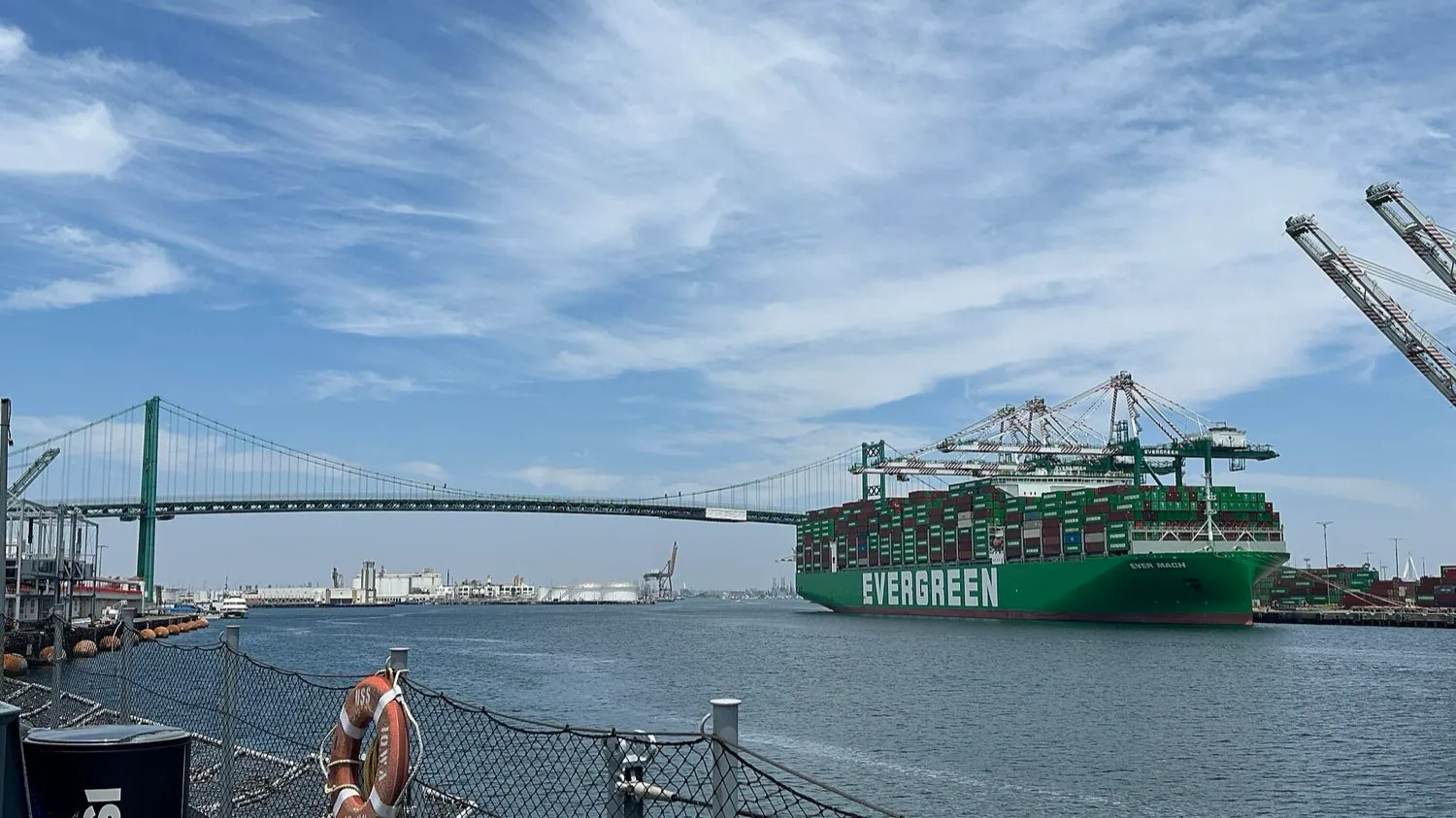
July 2026 is set to become the busiest import month in American history. U.S. ports are on track to handle 2.47 million TEU — twenty-foot container equivalents — in a single month, beating every record on the books. The reason isn't a booming economy or a holiday rush. It's a deadline.
With new tariff measures scheduled to take effect in August, importers across the U.S. have been racing to bring goods in early — a strategy the industry calls front-loading. The logic is simple: a container that clears customs in July is taxed under July's rules. The same container arriving three weeks later could cost thousands more. Multiply that across an entire year of inventory, and pulling shipments forward becomes one of the easiest financial decisions a business can make.
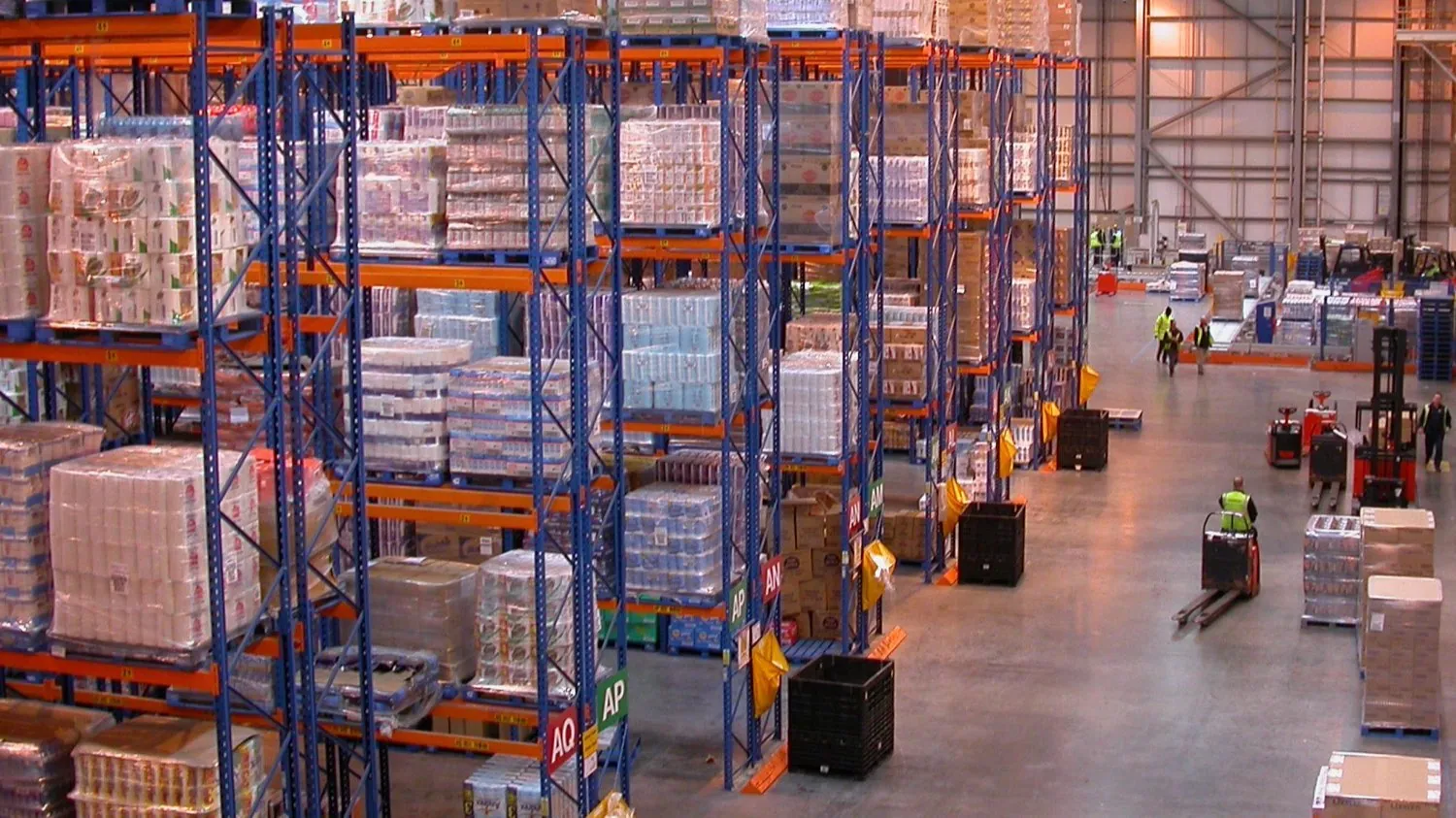
The consequences ripple through the whole chain. Vessel space on the transpacific has been selling out weeks in advance. Carriers have added surcharges of $300–400 per container as demand spiked. Warehouses near major U.S. ports are filling with inventory that would normally arrive spread across the autumn. And after the deadline passes, the industry expects the mirror image: a sharp drop in volumes as everyone sits on the stock they rushed in.
For anyone shipping from China to the U.S., there are two lessons here.
The first is about timing. In today's trade environment, when you ship matters almost as much as what you ship. A few weeks' difference can change your landed cost significantly — which is why we spend as much time advising clients on shipping windows as on shipping rates.
The second is about flexibility. Front-loading works if you have the cash flow and storage to hold extra inventory. If you don't, the alternative is a supply chain that can pivot quickly — smaller, more frequent shipments, or fulfillment structures that let you respond to policy changes without betting the whole year on one container booking.
Records like July's are impressive, but they're really a symptom: global trade is increasingly shaped by policy calendars, not just consumer demand. The businesses that thrive are the ones that read those calendars early — and build supply chains flexible enough to act on them.

Written by the Qlovaro Team
We source, store and ship products from China for brands worldwide.