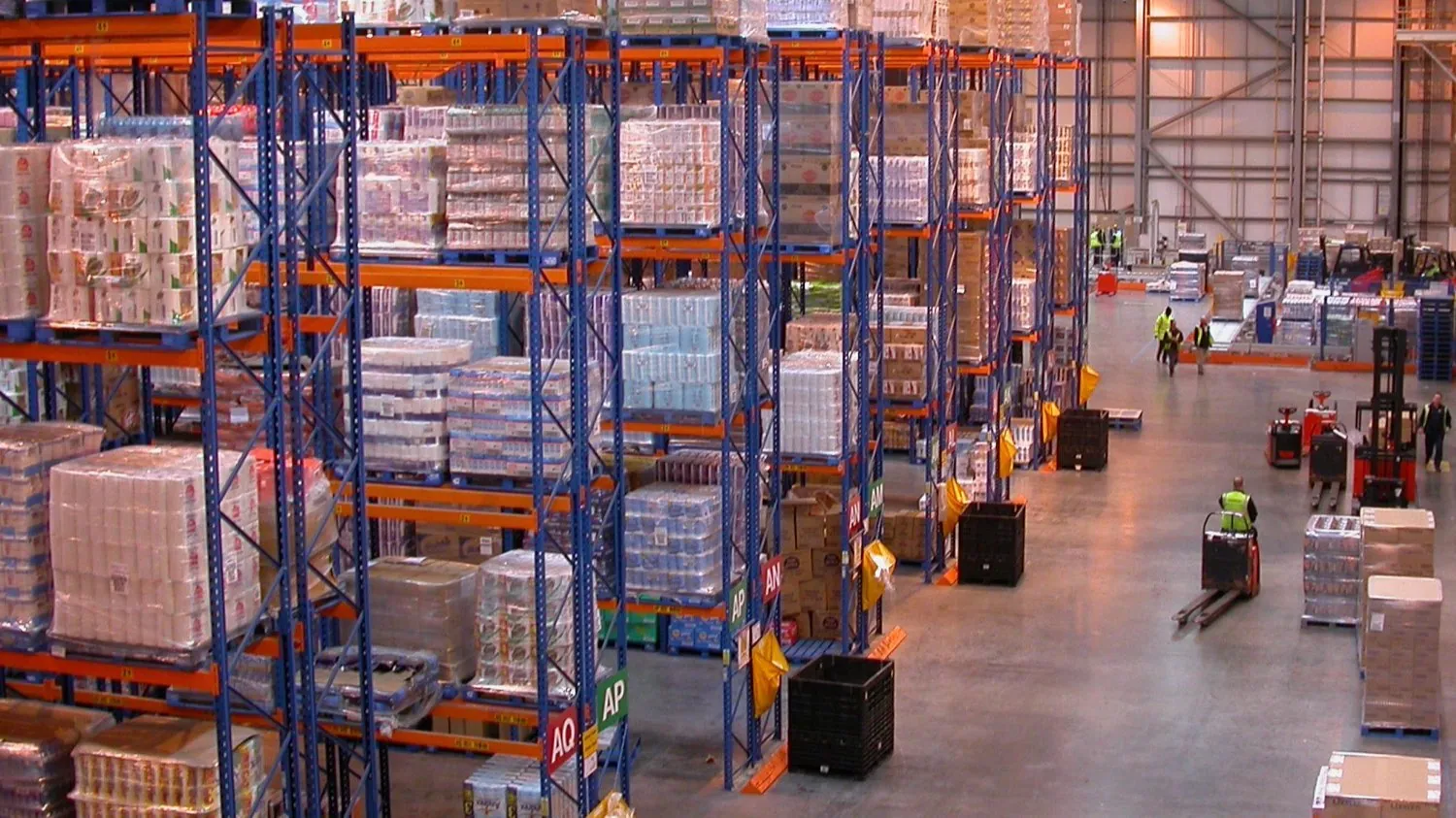
Quietly, while everyone watched AI and social commerce, the business of getting boxes to doorsteps became one of the world's major industries. Global e-commerce fulfillment is now worth $154.31 billion — and it's growing for a reason that says everything about where online retail is heading.
For years, fulfillment was treated as a cost center: a necessary evil between the sale and the customer. That framing is dead. Two forces killed it.
The first is cost pressure from the last mile. Getting a package across an ocean is remarkably cheap per unit; getting it from a local depot to a specific doorstep is not. Last-mile costs have surged 18% recently, driven by labor, fuel and the sheer expectation of speed. When the final few kilometers are the most expensive part of the journey, how you structure everything before them — where your inventory sits, how orders are batched, which carriers handle which zones — determines your margin.
The second force is newer and stranger: the customers choosing your shop increasingly aren't human. AI shopping agents — assistants that compare products and complete purchases on a shopper's behalf — are becoming a real slice of e-commerce traffic. And when an algorithm compares two identical products, it weighs the data points it can verify. Chief among them: the estimated delivery date. A shop promising reliable 3-day delivery can win the sale over an identical listing promising 12 days, without a human ever seeing either page.
Read that again, because it's a genuine shift: your delivery promise is becoming a ranking factor. Not a nice-to-have. A variable that decides whether you're chosen at all.
The practical takeaway is that fulfillment strategy deserves the same attention as marketing strategy. Inventory positioned close to your customers. Realistic delivery estimates you actually hit — consistency matters more to algorithms than raw speed. And visibility into every order, because a tracking number that goes dark is a customer (or an AI agent) that doesn't come back. This is essentially the entire philosophy behind how we run fulfillment for our clients: not moving boxes, but protecting the delivery promise that wins the next order.
A $154 billion industry built on a simple truth — in e-commerce, logistics is the product too.

Written by the Qlovaro Team
We source, store and ship products from China for brands worldwide.