On May 1, 2026, one of the most significant shifts in China's trade policy in decades quietly took effect: zero tariffs for imports from all 53 African countries that maintain diplomatic ties with Beijing. Combined with a wave of new shipping infrastructure, it marks the clearest signal yet that the China–Africa corridor is becoming one of the world's defining trade lanes.
The numbers were already remarkable before the policy landed. China–Africa trade hit a record $348 billion in 2025 — $225 billion in Chinese exports, $123 billion in African goods flowing the other way. Machinery, electronics, solar equipment and vehicles dominate the southbound flow; raw materials and increasingly processed goods come north.
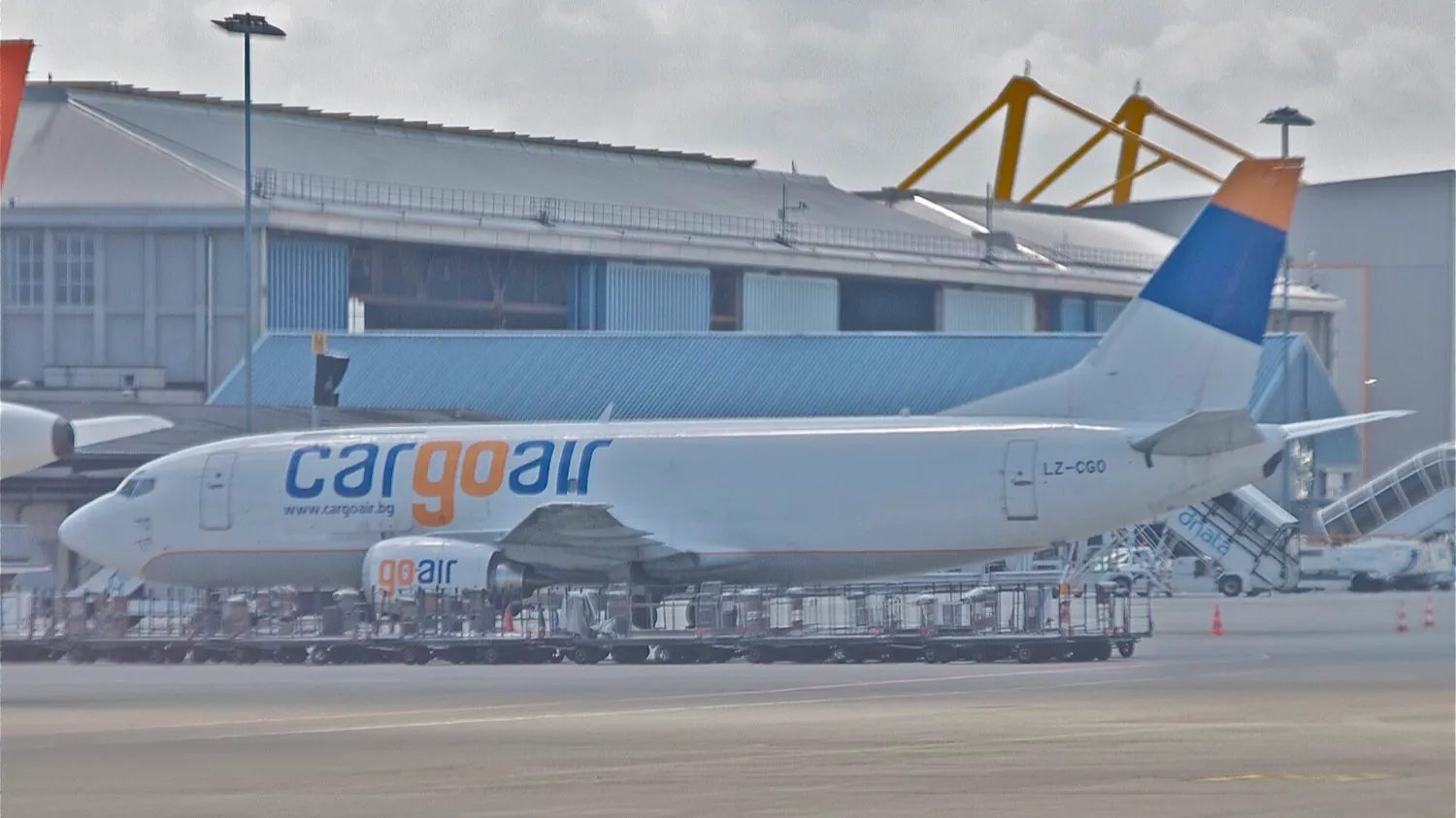
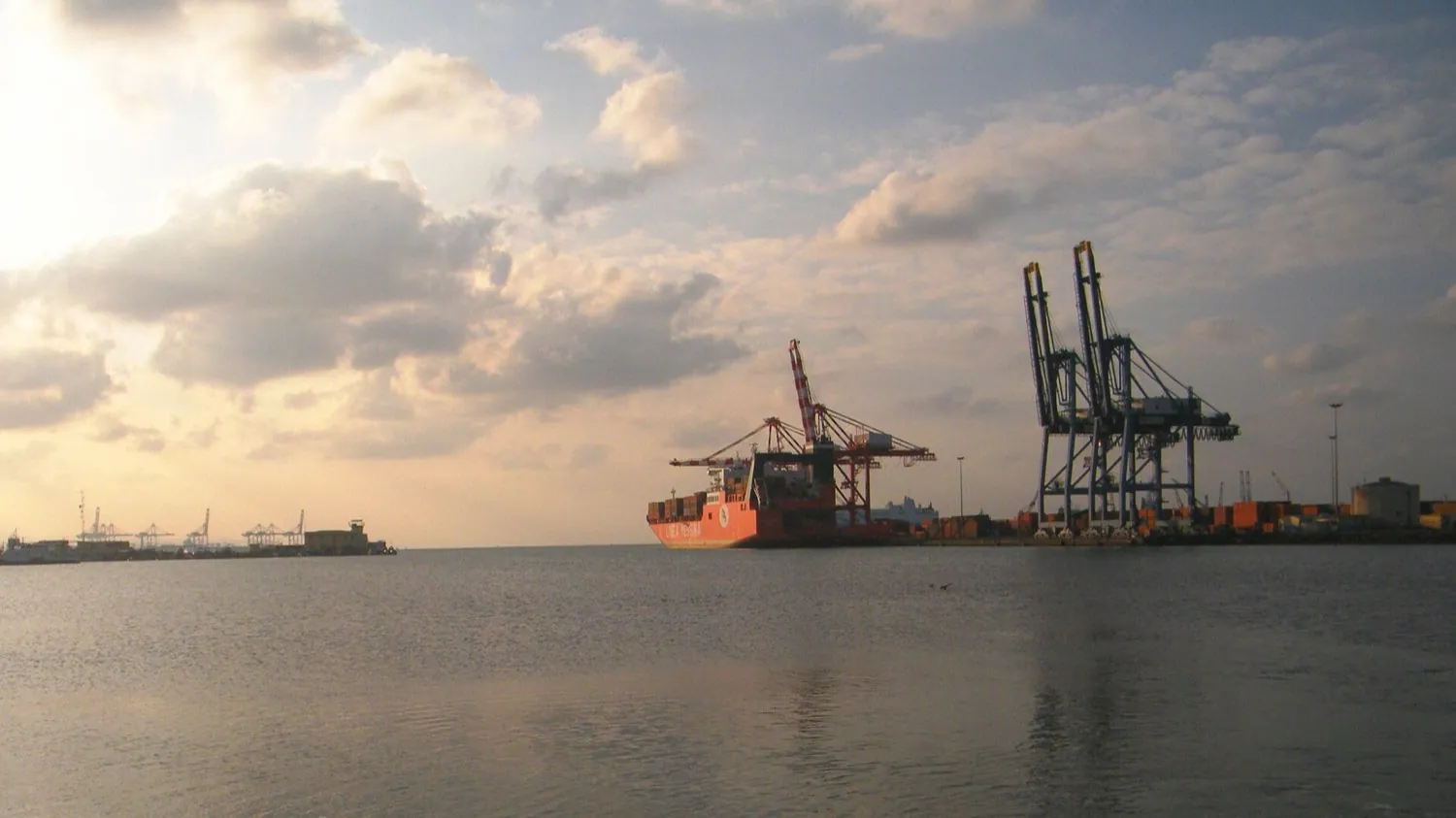
What makes this moment different is that the policy shift is arriving together with hard logistics upgrades. Chinese ports have been racing to open direct Africa routes. Tianjin launched a weekly container service to South Africa that cut transit to around 40 days — ten days faster than the old transshipment-heavy routing. Qingdao opened its second West Africa route this year, serving Lagos and Tema, with its Africa exports up 26% in a single quarter. Yantai's Africa cargo passed 2 million tonnes in a quarter for the first time. In the air, dedicated freighter services like the twice-weekly Haikou–Johannesburg 767 link are connecting Chinese manufacturing directly to African commercial hubs.
Direct routes matter more than they sound. Every transshipment stop is a delay risk, a handling cost and a tracking gap. Cutting them out makes the corridor faster, cheaper and — crucially for anyone actually shipping — more predictable.
We move a meaningful share of our freight volume into African markets, and the difference over the past year is tangible: better vessel options, tighter schedules, and customs processes that are steadily maturing on both ends. The corridor still demands local knowledge — documentation requirements, port congestion patterns and payment practices vary enormously by country — but the direction of travel is unmistakable.
For businesses on either end, the message is simple: the China–Africa lane is no longer a frontier route. It's becoming core infrastructure of global trade — and the companies building their supply chains around it now are the ones who'll own the advantage as it matures.

Written by the Qlovaro Team
We source, store and ship products from China for brands worldwide.