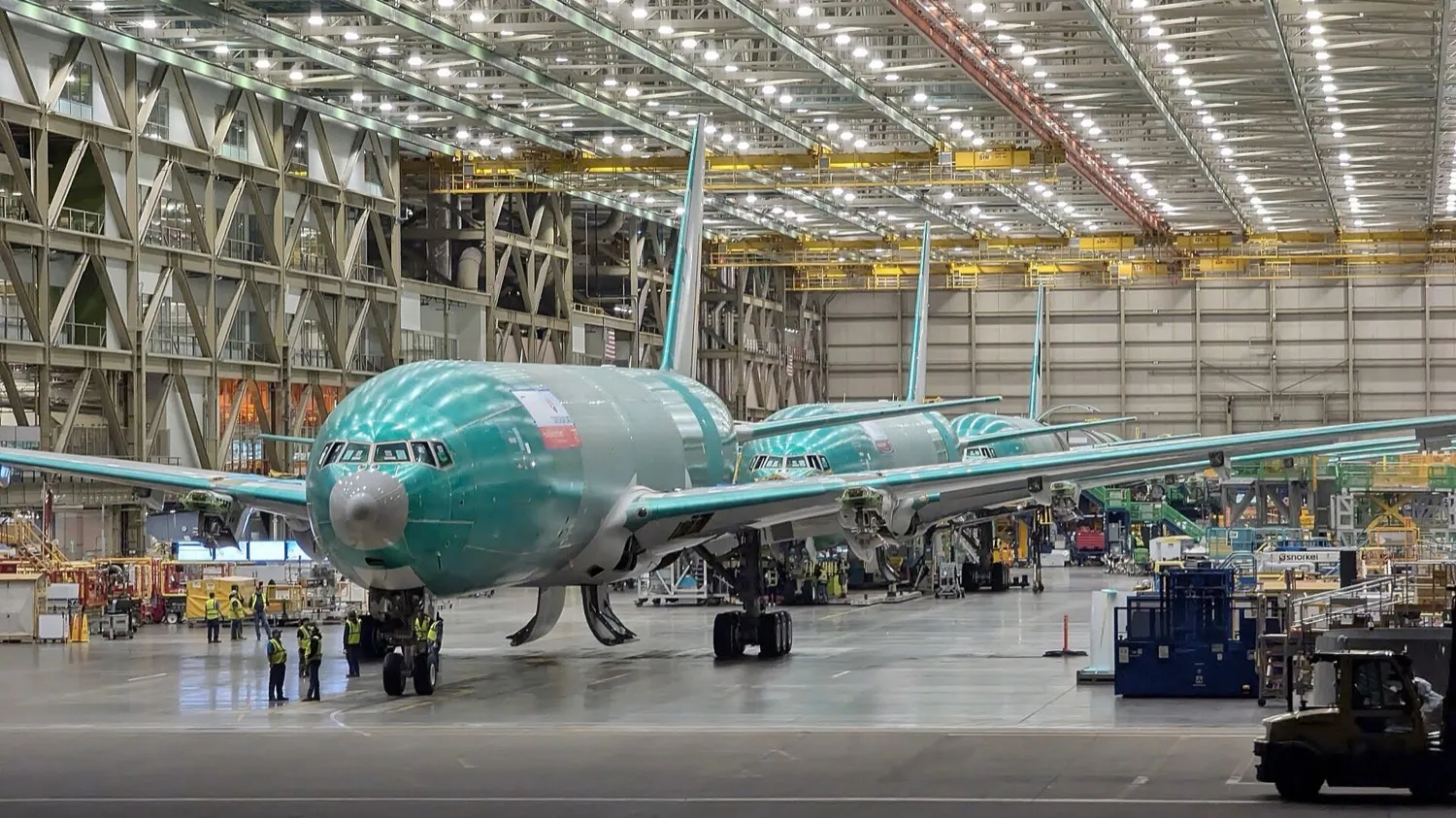
Here's a number worth sitting with: airlines worldwide currently have around 17,000 aircraft on order — a backlog equal to roughly 60% of the entire active global fleet, and about eleven times what manufacturers can produce in a year. Even if Boeing and Airbus hit every target, working through today's orders would take over a decade.
How did it get this bad? A perfect storm. The pandemic pushed airlines to retire older aircraft early. Supply chain problems — engine parts, certified components, skilled labor — slowed production lines just as travel demand roared back. And cargo demand added its own pressure, as e-commerce growth turned belly space and freighters into precious commodities.
The consequences aren't abstract. Airlines are flying older aircraft longer than planned, and older aircraft burn more fuel — an estimated $4.2 billion in extra fuel costs across the industry from aging fleets alone. Those costs don't vanish; they work their way into ticket prices and freight rates.
For air cargo specifically, the shortage means capacity stays structurally tight. When something disrupts a trade lane — a tariff change, a seasonal peak, a chip-industry shipping spree — there's no reserve fleet waiting to absorb the surge. Rates spike faster and stay elevated longer, because the supply side simply can't flex.
What does this mean if you ship by air? Three practical things.
Book earlier. On busy lanes, the difference between booking three weeks out and three days out isn't just price — it's whether your cargo flies at all. Plan for volatility. Air freight budgets built on last year's average rates will break; build in headroom. And use air strategically. The old model of flying everything is giving way to hybrid setups: sea freight for baseline inventory, air for launches, restocks and genuinely urgent cargo. It's how we structure most of our clients' flows, and it consistently beats an air-only strategy on cost without sacrificing much speed where it counts.
The aircraft shortage won't resolve quickly — production backlogs measured in decades never do. Tight air capacity is the new normal. The good news: with the right mix of modes, it's a normal you can plan around.

Written by the Qlovaro Team
We source, store and ship products from China for brands worldwide.